Category Archives: Uncategorized
Shelley Shearer: The A.B.C.’s of caring for your baby’s teeth; start good, healthy habits early
One of the biggest decisions new parents face is when a baby should first see a dentist.
Should it be when the first tooth breaks through or when the youngster turns one? Or is it best to wait until all the baby teeth have grown in?
As a mother and a dentist, I have experienced firsthand the lingering questions involving tooth and mouth development. Here, for all young parents, are my ABCs of baby dental care.
Approximately when should the first visit be scheduled?
The American Academy of Pediatric Dentistry (AAPD) recommends that a child go to the dentist by the age of one or within six months after the first tooth emerges.
Using the child’s first birthday is an easy way to remember when to make the visit. It is the perfect time to have teeth and gums checked. Baby teeth, also known as primary teeth, are important to the little one’s development. These little chompers are vital because they:
- Help children develop clear speech
- Facilitate correct chewing and nutrition
- Prepare the landscape for the exact spots where the permanent teeth will take over
Baby teeth, brushing and pacifiers
Tooth brushing starts in infancy. It removes plaque bacteria that can lead to decay.
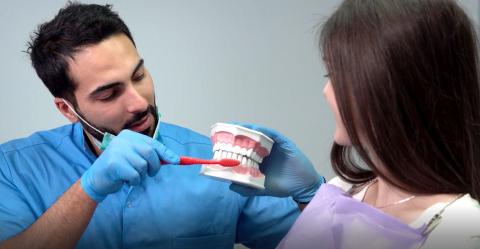
Soft-bristled, extra-small toothbrushes are now sold just for babies. The tooth brushing should occur at least once a day with a bit of flossing. If you do this at bedtime, it starts to build a routine that the child will follow for a lifetime. Make the session fun. Let them watch you. Parents are the best role models a child can have.
Dentists are often asked about pacifiers and thumb sucking.
Parents worry that the roof of the mouth will not develop correctly.That is true. Of even greater concern is deformity of the jawbone. Try to ween the little one off the pacifier as soon as possible. If using the pacifier or thumb/finger sucking persists too long, dentists have mouth appliances that will help dissuade the child from the habit. It is used starting at the age of three.
Every dental office encounters old fashioned remedies to quiet babies. While we are partial to our Kentucky heritage, definitely don’t use bourbon or any other kind of alcohol to soothe a teething baby’s gums. Dentists can prescribe or suggest ointments to reduce the pain of teething. Also, a crying baby should never be calmed with a pacifier dipped in honey or sugar. It’s an invitation to a future of gum disease. In some cases, gagging has occurred.
Remember: baby teeth are crucial to the mouth’s development.
Disease can cause a multitude of problems for years to come.
Tooth decay and jaw deformity also extends to nursing. Try not to let a baby fall asleep while nursing or with a bottle in their mouth.
Confidence-building for future visits
First visits are mostly about getting kids used to the dentist’s chair and educating parents about how to care for their baby’s teeth. Some dentists schedule a “happy visit.” Along with a parent the child watches the hygienist clean a patient’s teeth.
Then the little one is asked if they would like to sit in the chair. This gives the dentist a chance to conduct an evaluation of your child’s teeth, gums, jaw, bite, and oral tissues to see if there are any problematic areas that need attention. Depending on the assessment, a gentle cleaning or x-ray may be recommended. It’s also an opportunity to learn how to gently brush and even floss your little one’s teeth. By starting visits around the first birthday, chances are the toddler is too young to be nervous. This should make future appointments anxiety-free.
To prepare for the visit, see if your child can accompany you to your own dental appointment. Maybe grandma can come along to help. You can also “play dentist” at home. Examine each other’s teeth with a mirror and play the tooth-counting game. Say things like “open wide” to each other so the child becomes familiar with a typical exam.
Last, your dentist or local bookstore can recommend books on dental visits geared just for toddlers. With preparation and commitment to regular checkups, and knowing your ABCs, your child will enjoy a lifetime of fearless dental visits and a glorious smile for a lifetime.
Dr. Shelley Shearer is a graduate of the University of Louisville Dental School and Founder of Shearer Family and Cosmetic Dentistry in Florence, the largest all-female dental practice in Northern Kentucky.
Shelley Shearer: Stop fearing the dentist — anxiety shouldn’t prevent you from proper preventive care
Each year severe fear and anxiety prevent millions of Americans from seeking proper preventive dental care. The consequences of this problem may go far beyond dental pain or lost teeth. Gum disease is a serious infection that can affect other parts of the body. Studies now link it to illnesses including heart disease, stroke, and diabetes. Fear must not get into the way of enjoying a good quality of life.
Dentists identify several reasons why dental fear gets the best of us:
- A childhood traumatic experience in a dental office
- Fear of needles
- Gag reflex problems
- The sound and effects of drills
- Fear of pain
- Embarrassment about the current condition of one’s teeth
- The loss of control through enduring sedation or lying prone while a dentist hovers over you.
Whatever your challenge may be, know that some dentists are very good at handling fearful patients and have an arsenal of methods and treatments to reduce or eliminate pain and alleviate fear in the dentist’s chair. That goes for adults as well as children.
Some dentists who treat fearful patients go out of their way to create a non-threatening environment. Modern dental offices now have soothing, home-like furniture, fireplaces, beautiful photos on the walls, water features, and a smiling, caring staff. Here are some tips to ensure that you select a dentist who is right for you.
1. Call the office, explain your particular fear and ask to speak to the dentist. If the dentist listens to your fears and can suggest options to calm you during treatment, that may be the professional for you. If you feel like that particular dentist is not a good fit for you, continue searching.
2. Ask if the dentist has a way for you to signal when to halt and then continue the procedure. Often it is a wave of the hand.
3. Check on various sedation methods used. Are you interested in a relaxed state or near unconsciousness? Nowadays sedatives can be inhaled, taken orally or through an IV. Only you know your comfort level. The dentist should be qualified to provide IV sedation and up to speed on local anesthesia and administration of nitrous oxide, often referred to as “laughing gas.” Anxiety about being sedated seem to fall into two categories. Some people fear they will be too awake and aware of the pain. They worry their teeth and gums won’t be numb enough and they’ll feel pain. Others perceive they will lose control if numb, leading to an unfounded fear of suffocation, choking or inability to swallow. It’s important to realize that for top teeth, only an individual tooth will be numbed. For bottom teeth, sometimes your tongue or cheek may feel swollen when numbed, but they won’t be. You lose sensation in these areas, but not function.
Once you have selected the dentist who is right for you, there are several ways you can prepare for the visit:
1. Practice guided imagery. You may be able to get yourself in a relaxed state if you close your eyes in a peaceful location and imagine you are at your favorite spot. It may be a walk on the beach or a hike through the forest. Imagining these activities will bring comfort and relaxation during dental procedures and transform your mind from the chair to an exotic, enjoyable location. Tell each body muscle to relax as you enjoy your journey. As an added bonus, perhaps wearing headphones will either drown out noisy distractions or provide comforting music.
2. Consider bringing a trusted close friend or relative with you to the visit. Their calmness and lack of dental fear will envelop you in a calm state.
3. Proactively address any intense fear with a trip to a psychologist prior to the dental visit. A therapist can pinpoint the source of fears and introduce various techniques to conquer any trepidation. Cognitive Behavioral Therapy (CBT), is a type of talk therapy combined with behavior changes that desensitize patients to the dental drills, needles and equipment responsible for their fears. Through talk therapy, patients can work on effective coping strategies, substituting negative thoughts such as “the drill will hurt” with positive thoughts: “my smile is going to look sensational.” Psychologists are also trained to teach effective breathing techniques and muscle relaxation.
4. See if clutching an object or a stress ball can help. One dental office has an array of stuffed animals that patients of all ages are eager to hold tightly during a procedure.
If you have dental anxiety, it’s crucial to select a dentist who will listen and acknowledge your fears with real empathy. Then you can make 2019 your special year to get the dental work you have been putting off. This is the year for a renewed smile!
Dr. Shelley Shearer is a graduate of the University of Louisville Dental School and Founder of Shearer Family and Cosmetic Dentistry in Florence, the largest all-female dental practice in Northern Kentucky.

Using Your 2018 Dental Benefits Should be at the Top of Your Check List
√ Holiday presents purchased
√ Cards sent
__ 2018 dental benefits used up
If your personal checklist looks like this, you need to call our office right away. You may be letting your 2018 dental insurance benefits go to waste.
Unlike medical insurance, healthcare flexible spending accounts and most dental insurance plans do not roll over to the following year. That means any unused benefit dollars for 2018 will be lost. Forever.
Most dental insurance programs allow for a couple of cleanings and annual exam. Have you had yours? After all, you have been paying for dental benefits the past year. Use it or lose it.
We know you are busy this time of year. But by coming in for regular dental cleanings and exams you may avoid dental complications that could cause you to exceed future dental benefits. All of us here at Shearer Family & Cosmetic Dentistry are committed to the prevention of dental disease and know that regular exams and cleanings are essential to that end.
Our staff is ready to assist you with figuring out what benefits you have for the remainder of the year. We’ll even help you with the math so that you get maximum use of your deductibles for whatever procedures you need—such as a root canal or crown–and pay as little out of pocket as possible.
Please call as soon as possible. Our staff is ready to help you maximize your benefits AND provide the best dental treatment available.
We look forward to seeing you soon. Best wishes for continued good health!

SHEARER DENTISTRY INVITES ALL COMMUNITY KIDS FOR FREE PHOTOS WITH SANTA DECEMBER 3
It doesn’t matter if you’ve been naughty or nice in the dental chair. Santa invites all children from the community to come and receive a free photo taken with him at Shearer Family & Cosmetic Dentistry in Florence.
Santa’s sleigh will transport him along with Mrs. Claus from the North Pole to Northern Kentucky on Monday, December 3 at 5 p.m. and will whisk them back to Santa’s workshop at 6:30 p.m. Santa’s elves at Shearer will be sure that kids have plenty of time to tell St. Nick what they want for Christmas.
Shearer Family & Cosmetic Dentistry is located at 1335 Hansel Drive near Dick’s Sporting Goods in Florence. It is the largest all-female dental practice in Northern Kentucky. For more information on Santa’s appearance and complimentary photos with Mr. and Mrs. Claus, phone Shearer at (859) 647-7068.
Photo caption: Dr. Shelley Shearer, founder of Shearer Family & Cosmetic Dentistry, discusses the December 3 visit with Santa and Mrs. Claus

Rise in diabetes cases is affecting Kentuckian’s oral health; check symptoms, have plan
Did you know that diabetes can severely affect your smile? Over 13 percent of Kentuckians have been diagnosed with the disease, making the Commonwealth the fifth highest U.S. state population dealing with the ever-growing disease.
While diabetes can affect the heart, nerves, kidney, and eyes, it can also wreak havoc in the mouth. Diabetics are at a higher risk for gum problems because of poor blood sugar control.
When this happens, the mouth is more susceptible to infections and less able to ward off the bacteria trying to invade the gums. Fortunately, dentists are trained to look for symptoms before gum disease or other complications take over that could lead to periodontal disease and tooth loss. Do any of these symptoms seem familiar?
- Slow healing of cold sores or cuts in the mouth. This can lead to inflamed gums and pronounced cases of Gingivitis.
- Bleeding when brushing or flossing. If the bleeding becomes severe, the bone that supports the teeth can break down, leading to tooth loss and gum disease. Reverse this problem by drinking as much water as you can.
- An extra dry mouth. People with diabetes have less saliva, a key oral ingredient to help wash away leftover food that can lead to cavities. Again, drinking water, brushing teeth and flossing are imperative in order to retain saliva and thus stave off cavities and the unfortunate possibility of tooth loss.
- A change in taste. Diabetes tends to transform taste buds into a bland state. Adding a little spice to food may help, but don’t turn to sugar to resuscitate the taste buds. Diabetics must be mindful of their blood sugar levels.
- Infections. Since diabetes affects the immune system, patients are more vulnerable to a common yeast infection called Thrush or Candidiasis. Yeast thrives on higher amounts of sugar in saliva. The condition is most common in people who wear dentures. Be sure to visit the dentist if you develop an unusually bad taste in the mouth.
Partner With Your Dentist on a Diabetes Oral Health Action Plan
Once you know the symptoms, regular visits to the dentist are critical. Together you can create a plan to slow the progression of diabetes and strive to retain a healthy smile.
Your plan should include:
- Regular check ups
- Eliminating smoking
- Avoiding acidic drinks like soda, energy drinks and water with lemon
- Brushing twice a day with a soft brush and flossing at least once daily
- Gently brushing your tongue for a few seconds to eliminate bacteria
- Cleaning dentures daily
- Using diabetes medications as directed by your physician who will also want you to increase your daily exercise and tweak your diet with healthier food options
- Controlling your blood sugar level in order to fight bacterial or fungal infections of the mouth
Since one in five cases of tooth loss is associated with diabetes, the oral aspects of the disease must be taken seriously. Don’t be a toothless statistic. If you or a loved one has diabetes, be sure to create an oral health plan as soon as possible.
Dr. Shelley Shearer is a graduate of the University of Louisville Dental School and Founder of Shearer Family and Cosmetic Dentistry in Florence, the largest all-female dental practice in Northern Kentucky
This Halloween, start a trend and provide out-of-the box ideas for non-sugar treats
Soon it will be time for little Zombie’s, Captain America’s and a Mary Poppins or two to run from house to house eagerly awaiting Halloween treats. Since they are inevitably going to haul in a ton of chocolate and sticky candy, why not start a trend and provide some out-of-the box ideas for non-sugar treats and experiences that will position you as the cool house on the block?
While the little goblins aren’t supposed to run, their excitement for the evening gets the best of them. All that activity makes them thirsty. They’d be grateful if you tossed a small bottle of water into their Halloween bag.
Not only will it quench their thirst, it will start to rinse away all the sugar from the candy they secretly already popped into their mouths. It’s a triple win: for the kids, for the parents and certainly for dentists who constantly preach about sugar-free mouths.
If water seems practical but a bit boring, consider this: most children are so excited about the impending two hours that they neglect to eat their dinner. So why not bring dinner to the kids and their parents? Haul the grill to the front yard, set up a table and some lawn chairs and cook some hot dogs.
It may not be the healthiest dinner, but it will fill their tummies with more than candy, provide a rest stop for parents and kids, and give neighbors a chance to get to know each other.
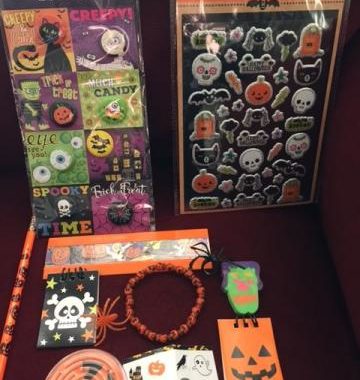
It doesn’t take a creative genius to stuff a tempting Halloween goody bag. The local dollar store is teeming with an array of Halloween-themed fun such as stickers, spider rings, puzzles, bouncy balls, notepads, pencils, erasures, bracelets and much more. Places them in a see-through Halloween-decorated bag and tie an orange or black ribbon at the top. It looks classy and fun. Plus, unlike candy, these toys last for weeks if not longer.
Parents are often grateful for glow necklaces. Also found at a dollar store, they provide fun and protection when crossing the street. Drivers will never have an excuse for not seeing a black-caped vampire if a glow necklace is worn around the neck. The glow necklaces also help parents keep track of their brood throughout the night.
Last, some health-conscious residents enjoy purchasing healthy snacks in bulk to distribute Halloween evening. This may include apples, oranges, bags of low-calorie popcorn and individually-wrapped packages of string cheese.
Whatever you decide to do, dentists have one request: be sure your trick-or-treaters brush and floss after their candy binges.
And don’t forget: Nov. 1, the day that conveniently follows Halloween, just happens to be National Toothbrush Day.
Wishing you a safe, creative and low-sugar Halloween.
Dr. Shelley Shearer is graduate of the University of Louisville Dental School and Founder of Shearer Family and Cosmetic Dentistry in Florence, the largest all-female dental practice in Northern Kentucky.

Shearer Family & Cosmetic Dentistry – Smiles for Heroes 2018
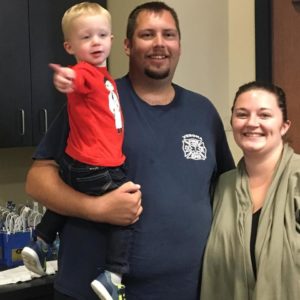
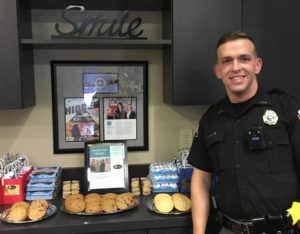
On September 11 we were pleased to provide complimentary dental services to Northern Kentucky first responders. It’s our was of saying “thank you” to those who risk their lives for our safety. Here is the story Channel 9 ran about this special day at our office followed by some photos of some of the participating officers.


Shelley Shearer: Mouthguards are an essential back-to-school item to protect student-athletes
You don’t have to be a LeBron James to wear a mouthguard when participating in sports activities.
With fall sports practices starting this month, student-athletes and their parents should heed the advice of the American Dental Association. It recommends that anyone participating in a sport with a high risk for injury (think football, basketball, hockey, soccer, wrestling, and basketball) have a mouth protector.
Blows to the mouth are riskier than many parents believe. An ADA study found that 27 percent of parents revealed they rushed their child to the emergency department upon receiving an injury in an organized sport. Of all the traumatic dental injuries, approximately 80 percent involved the two front teeth.
The ADA says an athlete is 60 times more likely to suffer harm to the teeth when not wearing a mouthguard. That should convince parents of student-athletes as well as athletes of any age to wear this important protective appliance.
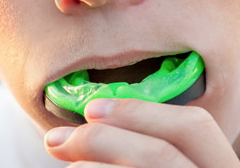
Mouthguards are also known as mouth protectors. They usually cover the upper teeth and help cushion any blows to the face, thus minimizing the risk of broken teeth and injuries to the soft tissues of the mouth. If you aren’t convinced already, a mouthguard should be considered an essential part of the complete sports uniform.
The best mouthguard is one that has been custom made by a dentist for an individual’s mouth when the adult teeth have come in, usually by the age of 11. It’s the primary way to get the best fit and comfort. Dentists are also asked about the “boil and bite” mouthguards. These are purchased at a drugstore or sporting goods department and then boiled to the point of being pliable. It is then placed in the mouth to fit the contours around the teeth. The best way to make the decision is to consult with your dentist. Some factors such as a child’s braces should be considered.

One of the most frequent questions posed to dentists is how to care for the mouthguard. Here are a few tips:
- Never leave a mouthguard in the sun or in hot water. Heat can alter the shape and make wearing it more painful than being smacked in the face.
- Check for signs of wear. Remember, kids’ bodies are maturing and they can certainly outgrow their mouthguard.
- Keep the mouthguard clean and dry between use. Rinse it before and after wearing with a toothbrush and toothpaste.
- If used several times a week, clean it weekly with cool, soapy water. Then thoroughly rinse it. There’s no need to re-live grandma’s stories about cleaning a mouth with soap if no dirty words have been uttered.
- Bring your mouthguard to your regular dental checkup. Your dentist will examine it to ensure the fit is still correct and may even clean it for you.
- Store the mouthguard in a dry, sturdy container that has some ventilation slits. This will keep it dry and bacteria free. It will also prevent the family dog from thinking it’s a chewable play toy.
Of course there is one more use of a mouthguard and that’s for those who grind their teeth at night.
Dentists use a type of bite plate that helps prevent damage to the teeth. They can be custom fit to match a person’s bite. When worn, it reduces jaw activity, lessens the grinding and allows sweet dreams for the wearer.
Here’s to a good night’s sleep and peace of mind for athletes and their parents in the coming school year!
Dr. Shelley Shearer is a graduate of the University of Louisville Dental School and Founder of Shearer Family and Cosmetic Dentistry in Florence, the largest all-female dental practice in Northern Kentucky.

NORTHERN KENTUCKY DENTISTS OFFER FREE EXAMS FOR ACTIVE DUTY FIRST RESPONDERS WITH SMILES FOR HEROES DAY ON SEPTEMBER 11
 Florence, KY—The four dentists and staff at Shearer Family and Cosmetic Dentistry in Florence will provide free dental exams for Northern Kentucky active duty first responders as part of their Smiles for Heroes September 11 commemoration.
“In honor of 9/11 we thought we’d reach out to the community and give back to those who risk their lives daily for our safety,” says Shelley Shearer, D.M.D., founder of the dental firm. “Two of our staff members are married to first responders so we constantly hear about the tough situations they face and see this as our special way we can honor their sacrifices.”
Shearer will offer the free Smiles for Heroes exams on September 11 along with Lupe Rojas, D.D.S., Ann Shackelford, D.D.S. and Pam Walden, D.M.D. When they combine their various areas of expertise they are able to accommodate just about every aspect of dentistry, many that some dental offices no longer offer such as pediatrics, cosmetics, root canals, extractions, IV sedation, sleep appliances and implants. Combined with the practice’s 21 other female staff members, it is one of the largest all-female dental offices in the Tri-State.
“Since my husband is an active-duty first responder in Northern Kentucky, I am proud to be part of an organization that cares so much it is willing to spend an entire day devoted to free exams,” says Hygienist Carla Hardcorn.
Eligible first responders should currently work at a Northern Kentucky police, fire, or sheriff’s department. To make an appointment for the September 11 Smiles for Heroes Day, phone Shearer Family and Cosmetic Dentistry at (859) 647-7068. The practice is located at 1335 Hansel Drive in Florence. Appointments will be taken until the schedule fills.