Shelley Shearer: Why straight teeth are more than a great smile; they give you an oral health home run

While adult braces and Invisalign have become wildly popular across the nation, there are more significant reasons to straighten teeth than just achieving the perfect smile.

Here are five reasons why straight teeth will give you an oral health home run.

1. Straight teeth are easier to clean

Let’s face it. When teeth overlap and crowd together, they are a bear to clean. When teeth lean into each other they create pockets where plaque builds up and bacteria multiplies like crazy. Tooth decay occurs.

Straight, well-spaced teeth are a cinch to clean since there is room to floss and space for the toothbrush bristles to do their job. Farewell sugar residue and trapped food particles!

2. Straight teeth promote healthy gums

When teeth are in place and easy to clean, the gums are deliriously happy. They have a bacteria-free playground and chances are, they won’t get swollen, red-colored or bleed. Recent research has shown that oral infections have been associated with health problems such as diabetes, heart problems, and pneumonia. Straighten your teeth and say farewell to periodontal issues and other potential ailments!

3. Straight teeth create the environment for a proper bite

Straight teeth alleviate the problem of jaw issues that can result in excessive wear on the teeth and even breathing problems. A bad bite is called malocclusion. This condition can also be inherited or the result of excessive thumb sucking as a child. The overcrowding from crooked teeth can cause pain, tooth decay, tooth loss and gum disease. A proper bite helps alleviate or at least reduce TMJ. Temporomandibular disorder causes pain in the jaw joint and in the muscles that control jaw movement. It also the culprit behind migraines in many dental patients. Chewing can become difficult if not painful. Who doesn’t want to enjoy a good meal? Sometimes even speaking can become difficult. The overcrowding can put a lot of pressure on the jaw bone and its supporting muscles. With teeth straightening you can say farewell to jaw pain, oral disease and trouble eating!

4. Protruding or retruding teeth pose a danger

Sometimes teeth move outward or inward instead of crashing sideways into each other. Children with a protruding teeth condition are teased about having “buck teeth.” For adults, these misaligned teeth can be dangerous. The bottom teeth can cut into the roof of the mouth, causing bleeding. Protruding teeth can make the mouth more vulnerable during falls. Hitting these teeth can easily cause chipped or broken teeth and lead to even worse mouth alignment unless straightened. Farewell bullies and the fear of falling and breaking front teeth!
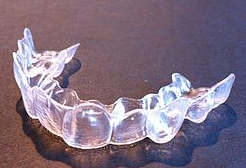
Invisalign aligners

5. Straight teeth Make a Healthier You

Now that you have read the above, you know that straight teeth help you maintain your gums, prevent tooth decay and preserve your teeth for a lifetime. As a child, you may have already had metal braces but your teeth moved because you thought your retainer was no longer needed. So now you are stuck with overcrowded teeth and don’t want to reverse the clock to those ugly metal braces. That’s why dentists suggest Invisalign for adults. They are made of clear, plastic aligners that are practically invisible. Few people can detect you are undergoing treatment.

Unlike metal braces, the aligners fit comfortably and are removable. This enables you to regularly brush, floss and take care of your pearly whites. The other aspect patients love is that when the aligners are out, they can munch on the foods prohibited by metal braces wearers—popcorn, caramels, nuts and gummy bears, to name a few.

As your teeth begin to straighten, your dentist will fit you with another set to further straighten your teeth. Before long, you have a terrific smile and because of the straight teeth, wonderful problem-free oral health.

Dr. Shelley Shearer is a graduate of the University of Louisville Dental School and Founder of Shearer Family and Cosmetic Dentistry in Florence, the largest all-female dental practice in Northern Kentucky.


Shelly Shearer: Mom Was Right; there is a right and wrong way to brush your teeth

Quick. What do bass and tooth care have in common?

If you answered that they both require a thin line to get the job done, you are partially right. While we’re fishing for the right answer, we’re not talking about using your pole in the nearest lake. Dentists across the world thank Dr. Charles Bass for introducing the best technique for brushing and flossing your teeth.

Interestingly, Dr. Bass was a medical doctor turned researcher who is often referred to as the “Father of Preventive Dentistry.” He was fascinated by how oral health contributes to general physical well-being, especially since he had been diagnosed with advanced gum disease and advised to have all his teeth pulled.  Instead, he turned to research to study how bacteria builds around the gums and teeth. We have Dr. Bass to thank for the Bass Technique of Tooth Brushing and the discovery of nylon dental floss instead of silk.

So is there a right way and wrong way to brush your teeth?  Yes.

Though Dr. Bass lived from 1875-1975 his legacy for correct tooth brushing prevails. Here’s what you need to know.

Brush This Way for Two Minutes Twice a Day

  • Place your toothbrush at a 45 degree angle to the gums.
  • Gently move the brush back and forth in short (tooth-wide) strokes.
  • Brush the outer surfaces, the inner surfaces, and the chewing surfaces of the teeth.
  • To clean the inside surfaces of the front teeth, tilt the brush vertically and make several up and down strokes.

Do not brush from side to side. It does not remove plaque and food/sugar debris, however microscopic, that build up around the gums and in between the teeth. Most importantly, horizontal brushing with toothpaste cuts a groove in the next of the tooth where it meets the gum.

What Kind of Toothbrush Should I Use?

Select a soft-bristled brush with a size that fits easily in your mouth so that it can reach every oral area. Replace it every three to six months depending on how frayed the bristles get. The more worn the brush, the harder it is for it to loosen debris in the teeth and gum line. Think of it as a steel wool pad that wears down so much that it can no longer remove food stains from pots and pans.

Why Am I Told I Brush Too Hard?

Statistics clearly show that brushing too aggressively harms the protective enamel on your teeth, makes your gums and teeth more sensitive and even contributes to gum recession. That could lead to some pretty painful disease.

Am I Using Too Much Toothpaste?

Probably. Toothpaste is like putting sand on your teeth. It helps loosen bacteria and polishes a bit, but too much starts to erode your enamel. It’s using the toothbrush itself that’s key to the oral care process. Using a bit less toothpaste saves you money too.

If I Am Brushing My Teeth Twice a Day, Why Do I Need to Floss?

Just like you seek the perfect fishing line and hook to catch fish, you need a perfect line of floss to reach between teeth where even the newest toothbrush just can’t reach. Try to floss twice a day—morning and before bed. If you follow this regimen of tooth brushing and flossing you can maintain your own teeth for a lifetime of healthy smiles.

Remember. It’s never too early or too late to learn what can save your teeth.

Dr. Shelley Shearer is a graduate of the University of Louisville Dental School and Founder of Shearer Family and Cosmetic Dentistry in Florence, the largest all-female dental practice in Northern Kentucky

SOURCE: http://www.nkytribune.com/2018/06/shelly-shearer-mom-was-right-there-is-a-right-and-wrong-way-to-brush-your-teeth/

Shelley Shearer: All jokes aside, a root canal is not awful and is better than getting abducted by aliens

You’ve heard the jokes for years such as, “I’d rather be abducted by aliens than have a root canal.”

Dentists across America want to debunk this myth of excruciating root canal pain once and for all. Technology has made the root canal process a straightforward procedure to more easily relieve pain and most importantly, save your teeth and smile. Millions of teeth are treated and preserved each year thanks to a root canal.

“Root canal” is the term used to describe the natural cavity within the center of a tooth.

The pulp, also known as the pulp chamber, is the soft area within the root canal. The tooth’s nerve sits in that canal. So when that area is damaged or infected and you feel pain, it’s time to call the dentist.

In extreme cases the infection becomes abscessed. When this happens the canal actually fills with pus and there’s the danger of the infection spreading to the rest of the body. It can also lead to massive swelling called Cellulitis, an infection that travels under deep layers of skin near the tooth. It is treated with antibiotics but can lead to hospitalization if not caught soon enough. That’s why it’s important to get to the dentist at the first inkling of pain before things get out of hand.

Here’s the most important information: contrary to popular belief, a root canal is no more painful than getting a tooth filling. Really.

First x-rays will be taken to indicate where the decay is located. Then local anesthesia is administered to the affected tooth area. The dentist will make an opening and the diseased tooth pulp is removed and the area disinfected. Last, the roots that have been opened to get rid of the diseased pulp are filled with special material and sealed off with a cement-like substance. Most of the time a crown is needed to cover the area.

The whole procedure is now quick, comfortable, and tooth-saving.

It can be performed in one appointment and seem as routine as getting a filling. Within hours you can be back to effortlessly chewing, biting and smiling.

Saving the natural tooth with a root canal procedure is full of advantages such as maintaining a natural appearance, biting into and chewing whatever you want, and having a new-found appreciation for the modern day root canal.

Stop listening to the decades of root canal jokes and help those around you wise up. Tooth pain is nothing to avoid and if a root canal is called for, go for it. You’ll never regret preserving your own teeth and smile.

Dr. Shelley Shearer is graduate of the University of Louisville Dental School and Founder of Shearer Family and Cosmetic Dentistry in Florence, the largest all-female dental practice in Northern Kentucky.

SOURCE: http://www.nkytribune.com/2018/05/shelley-shearer-all-jokes-aside-a-root-canal-is-not-awful-and-is-better-than-getting-abducted-by-aliens/

It’s Spring Cleaning Time—For Your Teeth

Spring cleaning signals more than just sprucing up the house and preparing the patio for warm weather gatherings. It’s also the perfect time to have your spring teeth cleaning.

Just like firefighters urge people to check their smoke detector batteries every fall, dentists believe spring is the perfect time to have one of two routine cleanings a year, mostly performed by the office dental hygienist.

This has been a particularly harsh winter with a lot of Netflix binging, and big bowls of popcorn and sugary treats consumed in front of the TV. The result: bacterial plaque buildup. As it hardens it turns into a rough and porous substance known as tartar which can trap plaque and make it difficult to remove. Plaque can lead to the release of toxins that affect the gum fibers responsible for holding teeth in place. The bacteria toxins that cause pockets to form, result in inflammation and infection. If untreated, it could lead to gum disease and tooth abscess. It calls for what is known as a deep cleaning and extra attention from your dentist.

So what is a deep cleaning to remove all this excessive build up? Dentists advise a deep cleaning when the pockets that form between your gums and teeth exceed five to six mm. It’s measured using a periodontal probe. At the same time dentists assess the plaque buildup on the gum lines and root area. If we see gum disease, popularly known to the public as gingivitis from all those TV commercials, we get to work.

A deep cleaning should not cause much discomfort unless the buildup has gone deep into the pockets around the gum. If that’s the case, a topical numbing solution or local anesthesia may be in order. Generally, we use a scaling instrument to remove the tartar. It may cause a vibrating sensation. Ultrasonic equipment powered by electricity or air not only removes tartar but releases water that helps remove additional debris around teeth and from those nasty pockets.

Sometimes patients who experienced the “winter blues” also often forgot to regularly brush and floss. The result: a lot more gingivitis or gum disease that may require one or two additional appointments. Many dentists prescribe pain medication, an antimicrobial mouth rinse and antibiotic gels to get you ready.

Don’t wait for pain to prompt a dental visit. According to the American Dental Association, two regular cleanings a year are recommended.  To side step the need for a deep cleaning and the danger of gum disease, brush and floss daily and avoid unhealthy habits such as smoking.  If you follow this advice, you’ll be amazed at how quickly your spring dental cleaning will take and how wonderful your smile will look along with the rest of your sparkly spring- cleaned home and garden.

Dr. Shelley Shearer is a graduate of the University of Louisville Dental School and Founder of Shearer Family and Cosmetic Dentistry in Florence.

Toothaches in the Western Frontier

Americans in 2018 don’t know how lucky they are to have trained dental professionals. Did you know that:

  • Blacksmiths and barbers extracted hurting teeth until dentists were trained in the mid- 1800s?
  • Once affordable sugar started pouring into the country from the West Indies there was massive tooth decay?
  • Since extracting a tooth was the only remedy for a painful tooth until the 19th century, the only thing to numb the area was a shot of whiskey?
  • The dental drill was invented during the Victorian Era?  It was operated by a foot pedal and a belt that turned the wheel and got the drill buzzing. It was the only way to chip away at tooth decay.
  • In the early 20th Century dentistry was still so expensive that people opted to have all their teeth pulled rather than eventually endure pain? It was actually considered a coveted gift for a new bride or a significant birthday.

Now, aren’t you glad you have the trusted and highly trained staff at Shearer Family and Cosmetic Dentistry?

Tips on Toothaches

Toothaches are just plain miserable. They are painful, make eating difficult and can spread to ther parts of the face and skull, the sinuses and even to the bloodstream. If you experience noticeable facial swelling, it’s a sign that infection is setting in. Seek emergency assistance. See your dentist as soon as possible if:

  • The pain is severe
  • You have a fever, earache, or pain upon opening your mouth wide
  • You have difficulty breathing or swallowing
  • There’s swelling around the tooth area
  • You experience pain when you bite
  • There’s a foul-tasting discharge or uncommonly bad breath

What Causes a Toothache?

Tooth decay is often the primary culprit for a toothache as the decay reaches the inner layer of a tooth. Other causes of a toothache can also include:

Improper Brushing or Flossing

Do you brush and floss your teeth too hard? This results in irritated, inflamed, and bleeding gums. If extreme pressure like this is constant, it can cause gums to recede and make teeth unstable, resulting in unwanted pain.

Misaligned Teeth or Impacted Wisdom Teeth

Teeth move easier than many think, pressing against others and pushing them out of line. This results in aches and pains. Wisdom teeth that have failed to break through the gum line can also be extremely painful as they fester below the gum line and sometimes push against adjacent teeth.

Teeth Grinding, or Bruxism

This is a common reason for tooth, jaw, neck, and related muscle pain. Excessive teeth grinding involves violently clenching the jaw and grinding the top and bottom teeth back and forth against each other. This causes pain in teeth and joints as well as headaches. Sometimes dentists make a mouthguard to wear while sleeping to alleviate pain.

Gum Disease

The signs of gum disease can be a dull pain in the mouth; red, bleeding gums; and also sometimes tooth pain. The oral bone and gums become inflamed. If left untreated, teeth, gums, and bones could be damaged or lost, leading to surgery to alleviate infection. If you notice pus near the source of the pain, your gum may have become abscessed, causing the surrounding bone to become infected.

Temperature Sensitivity

If you experience sharp tooth pain when you eat or drink something that is cold or hot, this can mean that your tooth enamel has worn down and your tooth’s dentin (the layer where the tooth’s nerves lie) is exposed.

Damaged Fillings or Dental Sealants

Dental fillings that cover deep pits, grooves, or fractures in teeth often protect vulnerable parts of the tooth. When these protectants are damaged, the sensitive parts of teeth are exposed to extreme temperatures, food particles, and bacteria. This can cause intense pain. If you have a damaged filling, see your dentist as soon as possible.

Tooth Fractures

Sports injuries, falls or biting on something hard or sticky can crack a tooth and cause the pain to move toward the middle of the tooth where the nerve endings exist.

How Do I Alleviate the Pain if I Cannot See My Dentist Right Away?

Anyone with a toothache should see a dentist at once for diagnosis and treatment. If left untreated, a toothache and the condition that is causing it can worsen. Take an over-the-counter pain reliever such as ibuprofen (Advil®) or acetaminophen (Tylenol®) to relieve pain.

  • Never put aspirin or any other painkiller against the gums near the aching tooth, as it may burn the gum tissue.
  • Apply an over-the-counter antiseptic containing benzocaine directly to the irritated tooth and gum to temporarily relieve pain. Direct application of oil of cloves (eugenol) may also help to numb the gums. The oil may be rubbed directly on the sore area, or soak a small piece of cotton and apply it to the sore tooth.
  • If there has been some trauma to the tooth, a cold compress may be applied on the outside cheek to relieve pain or swelling

Is There a Way to Prevent a Toothache?

Yes! The key to preventing toothaches is establishing a regular oral hygiene routine and sticking to it. Let’s face it: failure to brush and floss regularly after meals can significantly increase your risk of developing cavities, which can cause toothaches.

Here Are a Few Tips to Help Reduce Your risk For Developing a Toothache:

  • Brush at least twice a day, preferably after meals and snacks
  • Floss at least once a day to prevent gum disease
  • Visit your dentist regularly for oral examinations and a professional cleaning. Then enjoy your smile.


Dr. Shelley Shearer is a graduate of the University of Louisville Dental School and Founder of Shearer Family and Cosmetic Dentistry in Florence.

February News

Check out this article on National Children’s Dental Health Month written by our own Dr. Shelley Shearer

http://www.nkytribune.com/2018/02/dental-health-february-is-the-month-to-aquaint-kids-early-with-the-dentist-here-are-some-tips-to-start/

Five Facts About Valentine’s Day You May Not Know

1. Americans love sugar.
According to the National Confectioners Association, over eight billion candy hearts are made each year. We don’t mind our patients eating some sugar. Just don’t forget to floss and brush after consuming your sweet gifts.

2. Forget the Flowers and Chocolates.
Experiential gifts are on the rise. Maybe it’s a millennial thing, but in 2017, 40% of consumers told the National Retail Federation they wanted an “experience gift” for Valentine’s Day such as tickets to a concert or a trip to an outdoor activity instead of the traditional chocolates and flowers.

3. “Wearing your heart on your sleeve” is more than just a phrase.
In the Middle Ages, young men and women drew names to see who their Valentine would be. They would wear the name pinned to their sleeve for one week so that everyone would know their supposed true feelings.

4. The chocolate box has been around for more than 140 years.
The first Valentine’s Day box of chocolates was introduced by Richard Cadbury in 1868. Yes, the same ones who developed the Cadbury bunny.

5. It’s the second most popular holiday for greetings cards.
According to the Greeting Card Association, 190 million Valentine’s Day cards are exchanged annually, making Valentine’s Day the second most popular greeting card–giving reason. Number one? Christmas.

February Is the Month to Acquaint Kids Early with the Dentist

http://www.nkytribune.com/2018/02/dental-health-february-is-the-month-to-aquaint-kids-early-with-the-dentist-here-are-some-tips-to-start/

This month you can show affection for your kids with a box of Valentine’s Day chocolates and you can also demonstrate love for your little ones as you celebrate National Children’s Dental Month together.

It’s not that chocolate is a totally bad thing. But parents have a responsibility to teach their children to brush and floss right away after candy is consumed. Look to your dentist to provide some words of wisdom that will get kids on the right track early.  Here are some basic tips:

  • Let your little ones watch you brush and floss. Chances are they’ll want to imitate you.  That’s when you present them with a present—their very own kid’s tooth brush;
  • Play dentist with your child. They can count your teeth; you count theirs. Some dentists will allow well-behaved children to sit next to you during your regular visit. This allays their fears and lets them understand that visiting the dentist is an easy, routine procedure;
  • Let them sit on your lap during their first dental visit. Not only can mom or dad  promise to have a special prize awaiting for good behavior; many dentists have their own rewards such as popular stickers or a treasure chest from which a child can select a coveted prize;
  • Ask the dentist for a tour. Some dentists have special names for their instruments and even create games that kids will enjoy during the examination. Introducing them to all the components of an exam helps the child ease into the process;
  • Think about distractions. Cartoons and headsets have become standard at many practices. One office paints girls’ fingernails during the exam (and boys upon request).

The looming question is when to schedule a child’s first dental exam. The American Academy of Pediatrics suggests a visit as soon as the first tooth is fully visible. Others see it wise to wait until the age of one or two so that the dentist can ensure the teeth are coming in properly, the child’s bite is satisfactory and there are no problems with the jaw bone. Baby teeth are important. They help in chewing, aid in speech development, save space for the permanent teeth to appear and produce a beautiful smile for those proud-parent photos.

X-rays normally start around the age of five. Ages six-12 fall into the prevention stage. Sealant, a plastic resin, bonds to the chewing surfaces and provides cavity protection.

This Valentine’s Day you can shower love upon your child not only with toys and a candy valentine, but with a fun and important visit to the dentist as you celebrate National Children’s Dental Month together. Who knows? It might be the start of a new family tradition.


Dr. Shelley Shearer is a graduate of the University of Louisville Dental School and Founder of Shearer Family and Cosmetic Dentistry in Florence.

Dental Health: Top reasons that dental implants may be right choice for you, worth your time and money

http://www.nkytribune.com/2018/01/dental-health-top-reasons-that-dental-implants-may-be-right-choice-for-you-worth-your-time-and-money/

Experienced tooth decay, disease or lost teeth due to an accident? Rather than opting right away for dentures, think about the possibility of dental implants.

Basically, a dental implant is a small titanium fixture that serves as a replacement for the root portion of a missing natural tooth.

First there’s the post, which looks like a screw. It’s made of titanium and fits into the jaw bone like a tooth root. Then what’s known as the abutment is attached to the post and the visible part, the crown, bridge or denture, is permanently attached to the abutment. The result is a beautiful, natural looking smile. With regular home care and dental checkups, dental implants may last a lifetime.

New technology such as digital imagery, 3D CAD/CAM software, ceramic restoration, milling machines and computer tomography help dentists work with precision and most importantly, provide the ability to show you exactly what your smile would look like before you even opt for dental implants.

Here are eight reasons why dental implants can be the best option:

1. Implants don’t slide. Ever talk to a friend with dentures and think you just saw their pearly whites shift to one side? Chances are you were right. Denture wearers complain often of poor fit, sliding, sores in the mouth, facial changes and unpleasant food restrictions.

2. Implants don’t move into toothless spaces. Those with missing teeth find that existing teeth use their own squatter’s rights to take over empty spaces on the gum. The result is shifting, over-crowded teeth that are hard to clean and often unsightly enough to put an orthodontist on speed dial.

3. Implants strengthen your jawbone. Few people realize how deeply-rooted teeth help to secure the jawbone. Removing roots as teeth are pulled and putting nothing in its place makes the jawbone weaker and more fragile.

4. Implants approve appearance. Since the jawbone won’t deteriorate with implants that means your face won’t acquire that sunken look that adds years to your appearance.

5. Implants boost confidence. Having a permanent smile that doesn’t roll around or bring discomfort is certainly a mood booster, bringing a sense of confidence whether at work, home or play. Some patients boast of clearer speech and breathing with implants.

6. Implants are durable. While implants have been around for some time, technology continues to improve, making long-lasting teeth that, with regular dental care, will remain white and last a lifetime.

7. Implants can’t be lost. How many times did Aunt Harriet or Uncle Joe complain about misplacing their dentures? The durability of dental implants cannot be overstated.

8. Implants aid in bone stimulation and growth. Luckily, titanium is a substance that easily fuses with the jawbone and tightly anchors each replacement tooth. Without root structure from natural teeth, the jawbone can actually shrink unless there is a replacement in each tooth space.

Are implants worth your time and money? With so many benefits, implants are at least worth some investigation. Few things beat a healthy new smile and the ability to chew corn on the cob


Teeth whitening for holidays by Dr. Shelley Shearer

http://local.cincinnati.com/share/story/257494

Holiday parties. Family get togethers. ‘Tis the season for looking your best. That includes your teeth. It’s time to work on your best smile possible.

Since the season is often so busy, many people rush toward home remedies such as using baking soda on teeth. While it is effective in wiping away stains on coffee cups, baking soda can dangerously erode the enamel that protects your teeth.

For some quick and safer whitening consider Crest 3D whitening tooth paste. Along with Whitening Strips you can get your teeth two or three shades lighter.

Of course nothing beats the trays dentists use for maximum whitening, especially when someone has a history of stained teeth from drinking tea, coffee and red wine. We make an impression of your teeth in the office and then create the custom trays from those impressions. You pour a special solution into the trays and wear them on your teeth for a couple of hours a day for two weeks in the privacy of your own home. It is not recommended for those with crowns or multiple fillings.

Want to speed up the process? Take a quick trip to the dental office and use the state-of-the-art zoom whitening device. You put the impression made especially for you in your mouth, it is filled with solution, and you place your mouth on the device for an hour and a half. We have movies you can watch to make the time pass. Younger people can see their smile brighten three of four shades brighter; older patients can expect two to three shades brighter.

Your new smile can be maintained for a while with the whitening toothpaste and whitening strips.

This may be the perfect gift for yourself or a loved one, especially if you are eager to see quick results for that upcoming New Year’s Eve party.

Dr. Shelley Shearer is a graduate of the University of Louisville Dental School and Founder of Shearer Family and Cosmetic Dentistry in Florence